
The Complete Guide to Hormonal Imbalances in Women
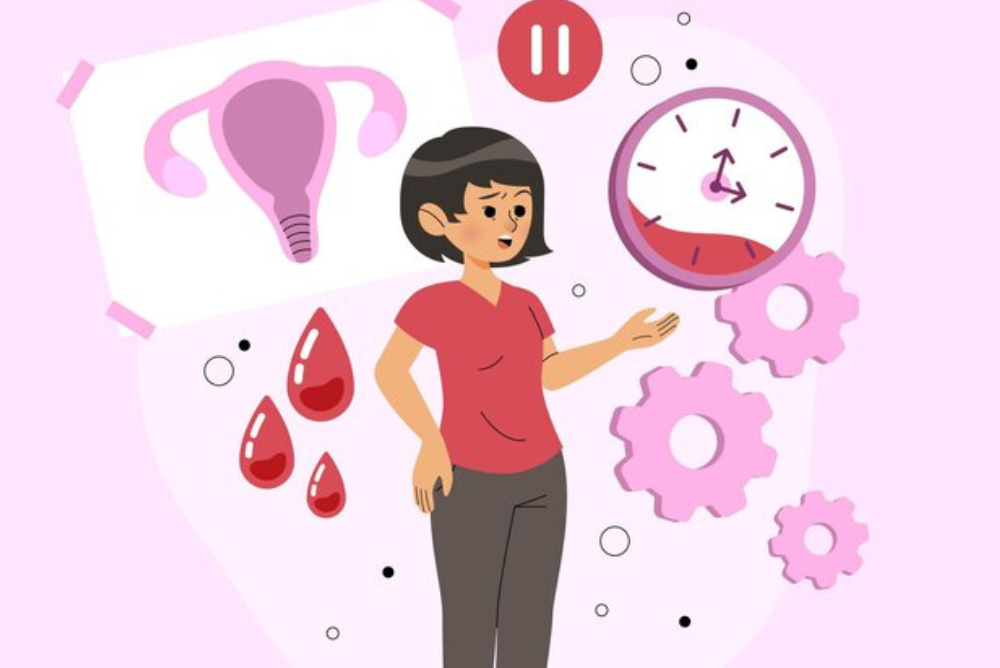
Hormonal imbalances can affect nearly every aspect of a woman's life, from mood and energy levels to weight and reproductive health. Understanding the signs, causes, and management strategies for hormonal imbalances is crucial for maintaining overall wellness. In this guide, we'll explore how to identify and manage hormonal imbalances and discuss the benefits of at-home hormone testing.
What Are Hormonal Imbalances?
Hormones are chemical messengers that regulate vital bodily functions, including metabolism, reproduction, mood, and energy. A hormonal imbalance occurs when there is too much or too little of a hormone in the bloodstream, disrupting normal body functions.
Common Signs and Symptoms of Hormonal Imbalances in Women
Recognizing the signs of a hormonal imbalance can help you address issues early. Symptoms may include:
1. Irregular Periods
- Missed, heavy, or unpredictable menstrual cycles may indicate imbalances in estrogen or progesterone levels.
2. Fatigue
- Persistent exhaustion, even after adequate rest, may be linked to imbalances in thyroid hormones, cortisol, or insulin.
3. Weight Fluctuations
- Unexplained weight gain or difficulty losing weight may result from thyroid issues or insulin resistance.
4. Mood Swings and Depression
- Hormones like estrogen, progesterone, and serotonin can influence emotional stability. Imbalances may lead to anxiety or depression.
5. Hair Loss or Excess Hair Growth
- Hair thinning or excessive facial/body hair could point to conditions like PCOS (Polycystic Ovary Syndrome) caused by elevated androgens.
6. Acne
- Hormonal acne, particularly around the chin and jawline, is often associated with testosterone or estrogen dominance.
7. Sleep Issues
- Imbalances in melatonin or cortisol can disrupt sleep patterns, leading to insomnia or restlessness.
Common Causes of Hormonal Imbalances in Women
Understanding what causes hormonal imbalances can help you address the root of the problem:
- Stress: Chronic stress elevates cortisol, which can suppress reproductive hormones.
- Diet: High sugar intake or nutrient deficiencies can disrupt insulin and other hormone levels.
- Thyroid Disorders: Conditions like hypothyroidism or hyperthyroidism affect metabolism and energy.
- PCOS: A common endocrine disorder causing irregular periods, weight gain, and infertility.
- Menopause: Declining estrogen levels during menopause can lead to significant hormonal changes.
- Environmental Factors: Exposure to endocrine disruptors, like BPA, can interfere with hormone production.
- Medical Conditions: Issues like adrenal insufficiency or diabetes can also impact hormones.
How to Identify a Hormonal Imbalance
1. Monitor Symptoms
- Keep a journal of physical, emotional, and behavioral changes, particularly around your menstrual cycle.
2. Consult with a Healthcare Provider
- A medical professional can perform tests and provide a diagnosis based on your symptoms.
3. Try At-Home Hormone Testing
- At-home hormone testing kits allow you to assess key hormone levels, such as:
- Estrogen
- Progesterone
- Testosterone
- Cortisol
- Thyroid hormones
- These tests are convenient, accurate, and provide actionable insights to discuss with your doctor.
Managing Hormonal Imbalances
1. Balanced Diet
- Focus on whole foods rich in:
- Healthy fats (e.g., avocado, nuts) to support hormone production.
- Fiber to aid in hormone detoxification.
- Protein to stabilize blood sugar levels.
- Avoid processed foods, sugar, and alcohol, which can exacerbate imbalances.
2. Regular Exercise
- Low-impact exercises like yoga or walking help reduce cortisol and improve insulin sensitivity.
- Strength training can support balanced testosterone and estrogen levels.
3. Stress Management
- Practice mindfulness, meditation, or deep breathing exercises to lower cortisol levels.
- Ensure adequate sleep (7–9 hours per night) to allow the body to regulate hormones.
4. Consider Supplements
- Supplements like vitamin D, magnesium, and omega-3 fatty acids may help balance hormones. Consult your healthcare provider before starting any supplements.
5. Hormone Replacement Therapy (HRT)
- For severe imbalances, especially during menopause, HRT may be an option under the guidance of a healthcare provider.
6. Avoid Endocrine Disruptors
- Reduce exposure to harmful chemicals found in plastics, cosmetics, and cleaning products. Opt for natural or BPA-free alternatives.
When to Seek Professional Help
If symptoms persist despite lifestyle changes, consult an endocrinologist, gynecologist, or primary care physician. Severe conditions like PCOS, thyroid disorders, or adrenal insufficiency often require medical intervention.
Why Choose At-Home Hormone Testing?
At-home hormone testing provides a convenient way to identify hormonal imbalances. Here's why it's effective:
- Convenience: No need for in-person appointments.
- Comprehensive Insights: Measure multiple hormone levels at once.
- Actionable Results: Use test results to tailor diet, supplements, or medical treatments.
Our hormone testing kits are designed to help you take control of your health with easy sample collection and detailed results you can share with your healthcare provider.
Take Charge of Your Hormonal Health Today
Hormonal imbalances can affect every aspect of your life, but with the right tools and strategies, they can be managed effectively. Start by understanding your symptoms, exploring at-home hormone testing, and making small but impactful lifestyle changes. With the right support, you can restore balance and feel like yourself again.
Discover our at-home hormone testing kits today and take the first step toward understanding your hormonal health.